
Uncategorized
Firearms Identification: The Expert’s Guide
Mar
Firearms Identification: The Expert’s Guide
A spent .45 ACP casing tells a story. The extractor marks match a Glock 21, the firing pin impression reveals a worn striker, and the rifling twist rate points to a barrel manufactured between 2012-2015. This is firearms identification in action—the forensic science that links guns to bullets, cartridges, and crime scenes with surgical precision.
Ballistics: Matching Bullets to Barrels
Every firearm leaves unique microscopic marks on bullets and cartridge cases. Rifled barrels imprint distinct striations (typically 6-8 grooves in most modern handguns), while breech faces and firing pins create identifiable impressions. The FBI’s DRUGFIRE system catalogs these signatures with 90%+ accuracy. For example, a 9mm Luger fired from a Sig Sauer P320 will show different land/groove patterns than one fired from a Glock 17 due to variances in rifling twist rates (1:10 vs 1:9.84).
Serial Number Restoration
When criminals grind off serial numbers, forensic labs use chemical etching (Ferric Chloride for steel, Fry’s Reagent for aluminum) to reveal the original stamp. The process works because the stamping process alters the metal’s crystalline structure up to 0.020″ deep. ATF reports 85% success rates in restoring numbers on common firearms like AR-15 lowers or 1911 frames.
Toolmark Analysis
Modifications leave telltale signs. A hacksaw-cut shotgun barrel shows striations matching a specific blade’s tooth pattern. CNC-machined auto sears for Glocks exhibit microscopic tool paths identifiable to the manufacturer. Even improvised “solvent trap” suppressors bear machining marks that trace back to specific lathes or drill presses.
Database Systems
IBIS (Integrated Ballistic Identification System) cross-references ballistic evidence from 300,000+ firearms annually. When a Ruger LCP .380 is test-fired, its casing images enter the National Integrated Ballistic Information Network. This system has linked 62,000+ crimes to specific guns since 1999, including multiple shootings from the same weapon.
Forensic Limitations
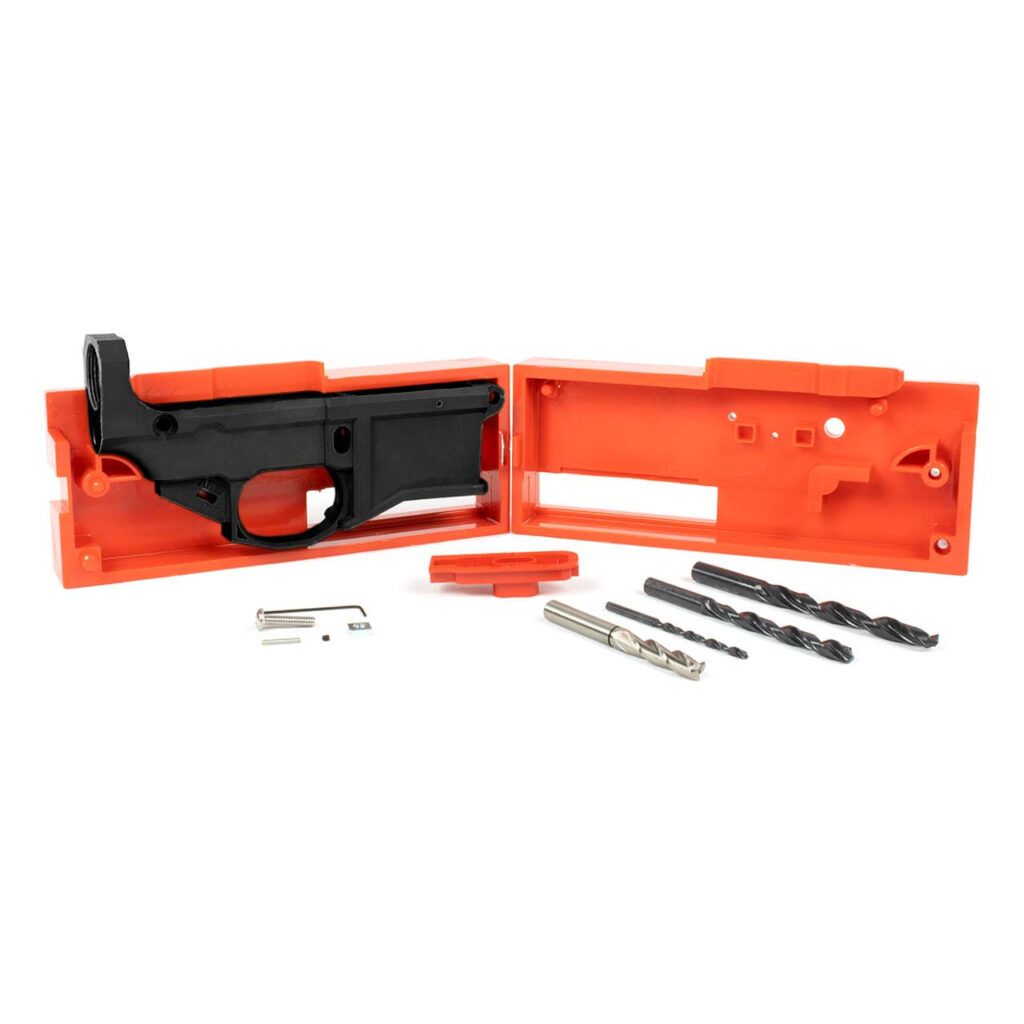
Polymer80 ghost guns challenge traditional identification—their unserialized frames require alternative tracing via ejector marks or unique trigger group wear patterns. .22 LR rimfire ammunition often lacks identifiable rifling marks due to soft lead construction. Labs now use 3D imaging microscopes at 1000x magnification to overcome these hurdles.
What is a firearms identification card?
A state-issued credential (like Massachusetts’ FID card) verifying the holder passed background checks to possess firearms or ammunition. Different from a concealed carry permit.
What is firearms identification?
The forensic process of linking bullets, casings, or guns to specific firearms through ballistic markings, toolmarks, and mechanical signatures.
What is firearms identification in criminology?
The application of ballistic science to criminal investigations, using microscopic analysis to connect weapons to crime scenes or establish shooting trajectories.
Browse our firearms collection
Last updated: April 28, 2026
